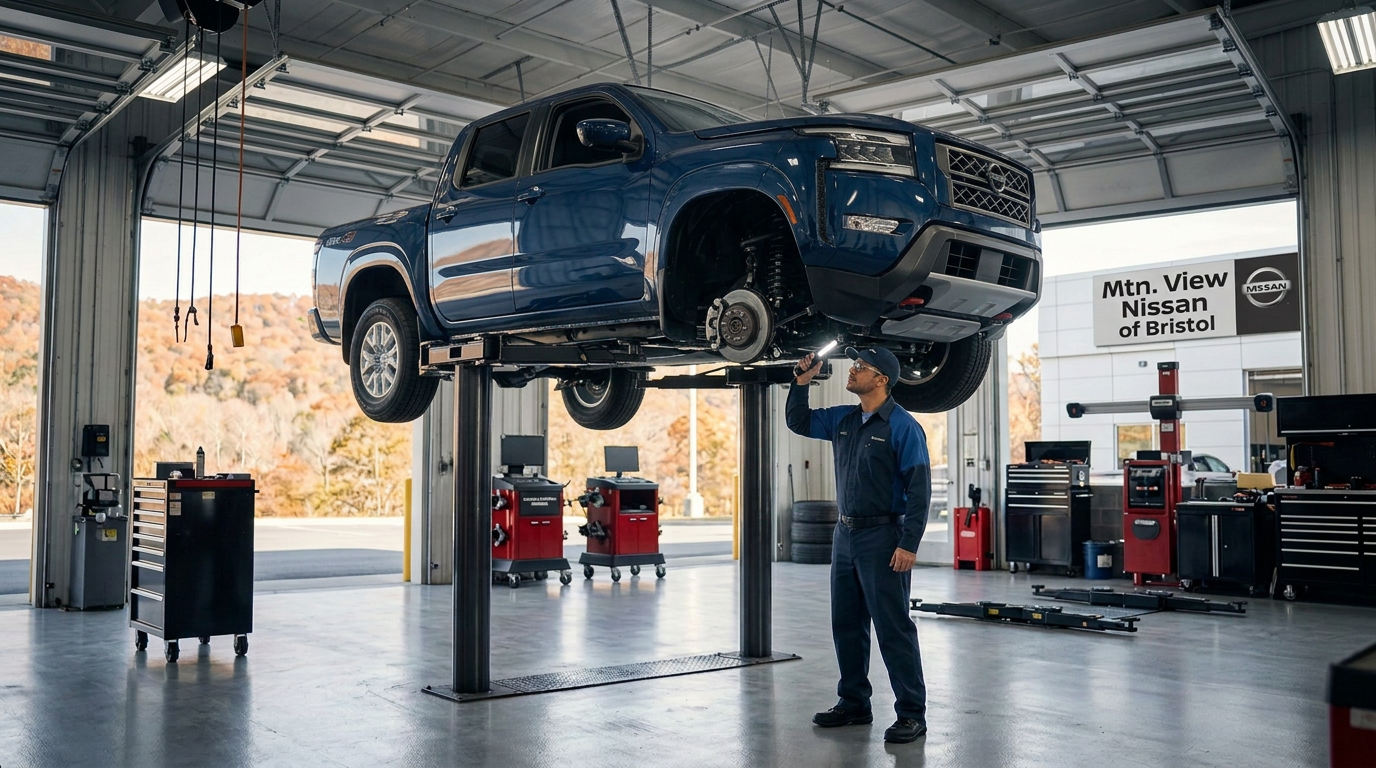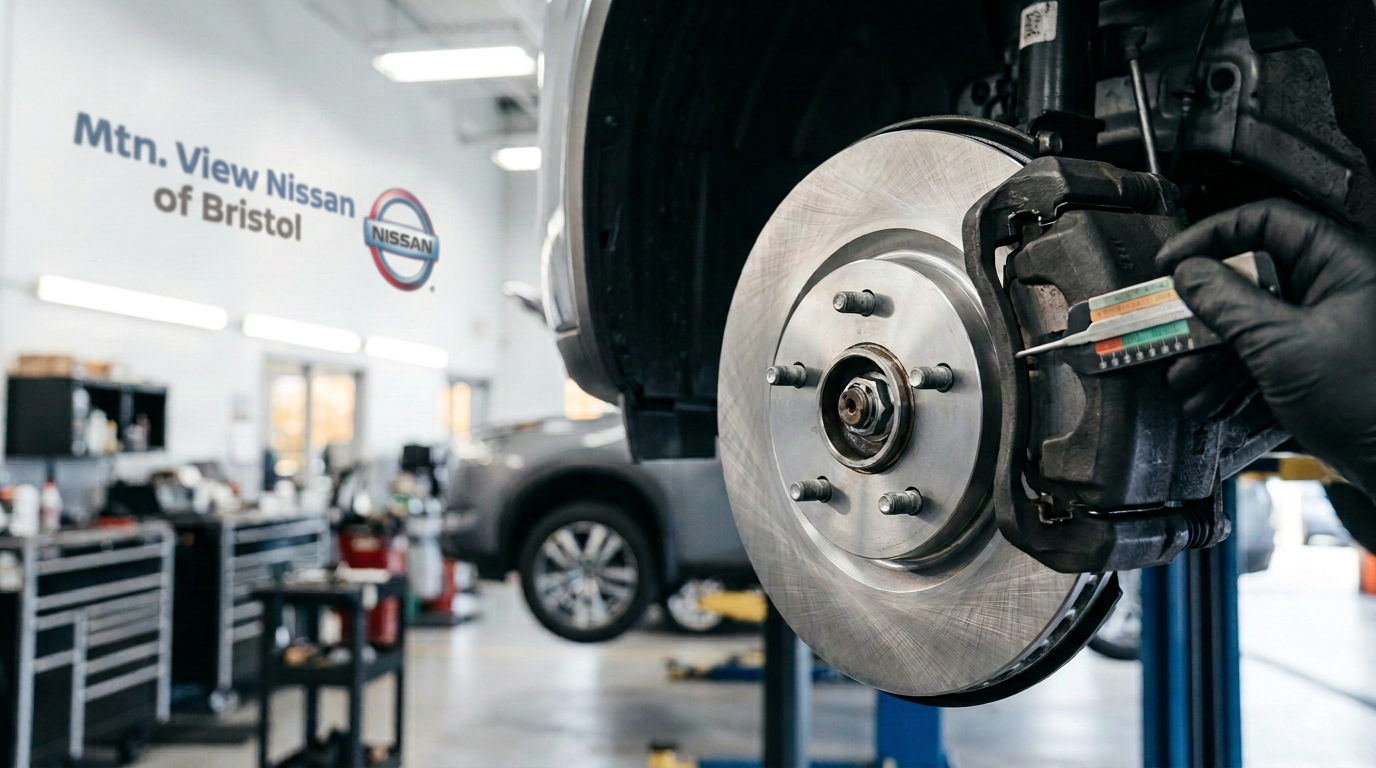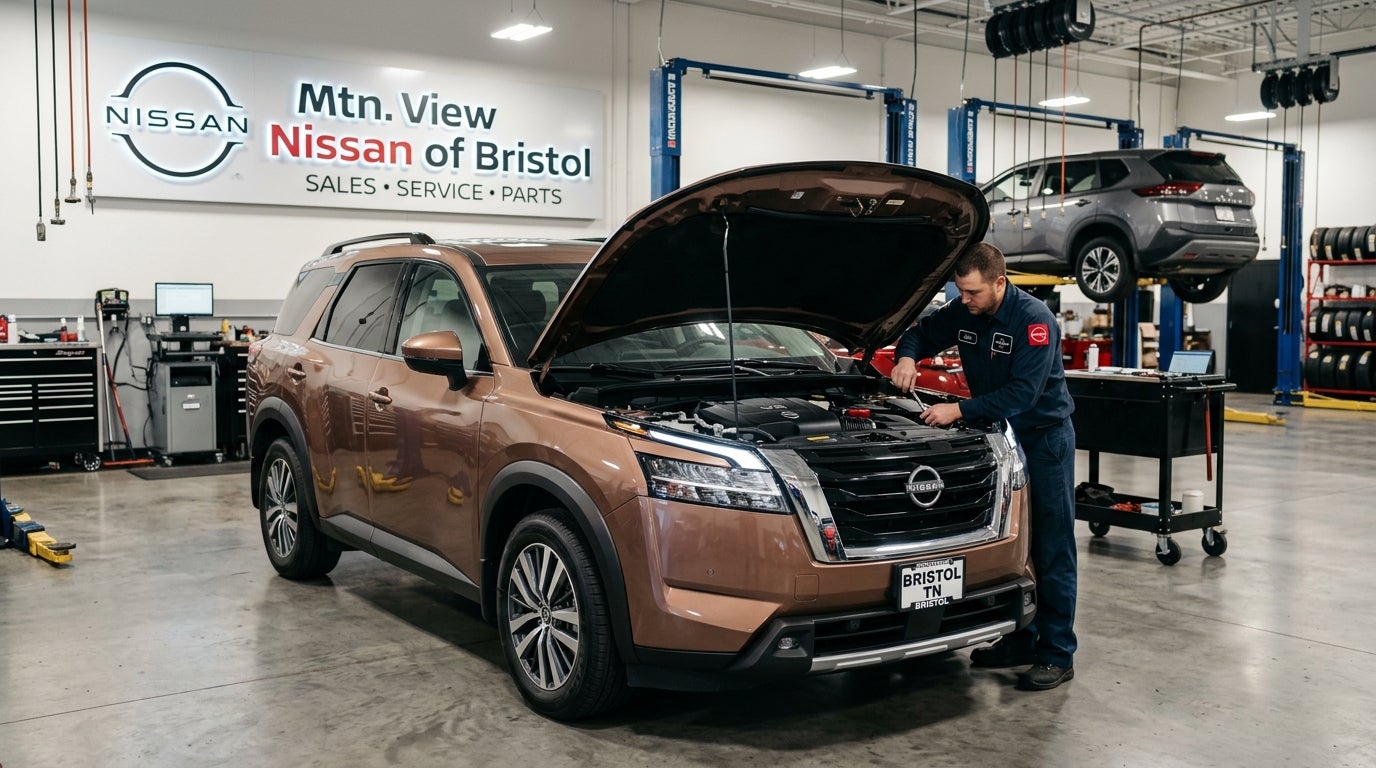
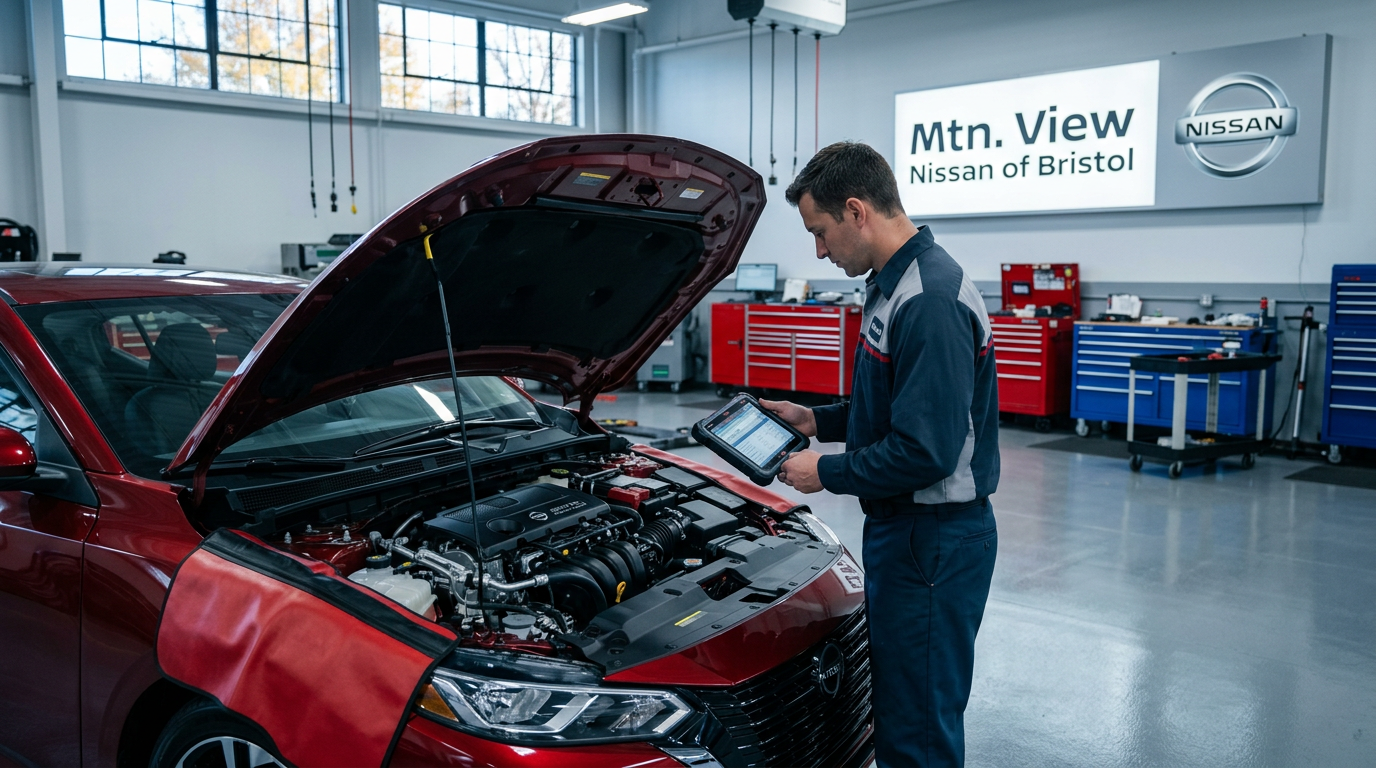
Nissan warranty coverage applies to repairs required due to defects in factory materials or mechanical workmanship during the specified coverage term. Repairs qualifying for coverage under the 3-year/36,000-mile basic limited warranty include electrical components, steering gear, factory audio equipment, suspension linkages, and climate control hardware. Failures caused by normal wear, external impacts, lack of scheduled fluid maintenance, or unauthorized alterations do not qualify. All eligible warranty adjustments and component replacements must be performed by an authorized dealership using factory parts. When mechanical or electrical components stop operating as engineered, your warranty protects you from unexpected out-of-pocket expenses. Factory protection is split into dedicated tiers to cover different systems throughout your ownership experience: Basic Coverage: Protects nearly all factory-installed mechanical and electrical assemblies for 36 months or 36,000 miles. Powertrain Coverage: Covers the critical mechanical assemblies that propel the vehicle for 60 months or 60,000 miles. Corrosion Coverage: Provides perforation protection against sheet metal rust-through for 60 months and unlimited mileage. Emissions Coverage: Meets federal and state requirements for exhaust and evaporative control components, extending up to 8 years or 80,000 miles on specified control modules and catalytic converters. In addition to mechanical repairs, qualifying vehicles come with emergency roadside support. If a mechanical breakdown occurs while your factory warranty is active, you can call Nissan Roadside Assistance: 800-225-2476 for 24-hour towing support directly to an authorized dealership service department. This manufacturer-backed program also includes flat tire changes, dead battery jump-starts, fuel delivery, and lockout assistance. Daily driving demands along State Street and local commuter routes mean staying on top of scheduled service is the easiest way to keep your factory protections intact. Routine upkeep items such as oil changes, brake pads, tire balancing, and air filters are standard ownership responsibilities and are not covered under defect warranties. If you have questions about whether a recent operational symptom is covered by the manufacturer, call our service team or view directions to our facility so our technicians can inspect the issue. Table of Contents Which Engine and Drivetrain Parts Are Protected by the Powertrain Warranty? Where Can Electric Nissan Vehicles Receive High-Voltage Battery Diagnostic Service? Where Can Drivers Get Authorized Nissan Warranty Service and Repairs in Bristol? How Does Nissan Certified Pre-Owned Warranty Coverage Compare to Factory Protection? What Diagnostic Fees Apply When an Issue Is Not Covered Under Warranty? Nissan Warranty Questions About Coverage, Repairs, and Costs Schedule Certified Nissan Warranty Service Which Engine and Drivetrain Parts Are Protected by the Powertrain Warranty? The Nissan 5-year/60,000-mile powertrain limited warranty protects the core internal mechanical assemblies of the engine, transmission, transaxle, and drive axles against manufacturing defects. Covered engine components include the cylinder block, cylinder head, internal rotating assemblies, timing gears, timing chain, oil pump, water pump, and intake manifold. The coverage ensures that major propulsion assemblies remain operational without unexpected repair costs for five years or 60,000 miles, whichever comes first. System Covered Powertrain Components Common Non-Covered Maintenance Items Engine Assembly Cylinder block, cylinder heads, pistons, crankshaft, camshafts, timing chain, oil pump, water pump, valve train Spark plugs, drive belts, engine oil, engine air filters, coolant hoses Transmission & Transaxle Transmission case, torque converter, internal gears, valve body, electronic control modules, oil pan Transmission fluid flushes, clutch disc linings, worn external linkages Drivetrain & Axles Transfer case, driveshafts, universal joints, differential housing, internal gears, axle shafts, wheel bearings Worn CV axle rubber boots from road debris, wheel alignments Transmission protection covers every internal moving component inside the casing. For vehicles equipped with an Xtronic CVT (Continuously Variable Transmission), coverage includes the steel drive belt, pulley system, hydraulic control valves, and internal oil pump. For vehicles with a traditional stepped automatic or manual transmission, the warranty covers the torque converter, gear clusters, shafts, and factory transmission control modules. Gaskets and seals required to complete a warrantable powertrain repair are also included in the coverage. Drive axle assemblies on front-wheel drive, all-wheel drive, and four-wheel drive configurations are protected from internal mechanical breakdown. On four-wheel-drive trucks and SUVs, this includes the complete transfer case housing, internal planetary gears, front and rear differential assemblies, and constant velocity joints. If a component fails because of an internal manufacturing defect, our technicians replace the assembly using genuine components from our Nissan parts department to preserve factory tolerances. Where Can Electric Nissan Vehicles Receive High-Voltage Battery Diagnostic Service? Electric vehicle battery diagnostic service and high-voltage repairs must be conducted at a certified Nissan EV dealership equipped with factory-specified diagnostic hardware and high-voltage isolation tools. Our service facility utilizes the dedicated Nissan CONSULT diagnostic system to evaluate lithium-ion pack condition, cell balancing, voltage variances, and thermal management efficiency. Factory-certified electric vehicle technicians complete extensive safety coursework to service high-voltage battery enclosures, inverters, and onboard charging systems safely. Diagnostic protocols evaluate individual module health within the battery pack to isolate voltage drop anomalies. If individual cell clusters degrade outside factory parameters, technicians evaluate whether the issue falls under Nissan’s 8-year/100,000-mile EV battery limited warranty. This manufacturer warranty protects against structural cell defects and guards against excessive battery capacity loss below nine out of twelve bars displayed on the vehicle battery capacity gauge. High-voltage testing extends beyond the energy cells to the cooling loops and power distribution hardware. Liquid cooling assemblies, electric heater cores, high-voltage relays, and drive motors undergo automated system stress tests. Independent garages rarely possess the insulated safety equipment, high-voltage disconnect procedures, and factory software keys needed to test or service modern electric powertrains safely. Where Can Drivers Get Authorized Nissan Warranty Service and Repairs in Bristol? Authorized Nissan warranty repairs and factory recall services in Bristol are completed at Mtn. View Nissan of Bristol by factory-trained technicians and cover all late model Nissan vehicles including 2027 Sentra passenger cars, 2027 Rogue SUVs, and 2027 Frontier pickup trucks. Independent mechanical repair shops cannot file warranty claims directly with the manufacturer, meaning work performed outside an authorized franchise dealership usually requires direct customer payment. Our certified facility possesses the specialized equipment, calibration benches, and factory scan tools required to process warranty claims with zero out-of-pocket costs for covered repairs. The varied elevation and steep highway grades of the Appalachian Highlands place unique physical demands on cooling circuits, steering components, and continuously variable transmissions. When unusual operating symptoms arise during routine driving, having a local certified service team evaluate the issue ensures fast identification. Warranty service completed at our facility provides several distinct advantages: Technicians trained directly on factory diagnostic procedures for your specific model year. Direct claim processing through the manufacturer warranty database for seamless approvals. Exclusive installation of genuine factory components backed by a dedicated replacement parts warranty. Real-time checks for active technical service bulletins (TSBs) and outstanding factory recalls during every visit. Scheduling your diagnostic evaluation early prevents minor component friction from causing broader mechanical damage across related vehicle systems. You can reserve an appointment with our master technicians directly through our online service scheduling portal to have your vehicle thoroughly evaluated under warranty terms. How Does Nissan Certified Pre-Owned Warranty Coverage Compare to Factory Protection? A new vehicle factory warranty provides comprehensive bumper-to-bumper protection, whereas standard Nissan Certified Pre-Owned (CPO) coverage focuses primarily on long-term powertrain durability. Every new vehicle includes 3 years or 36,000 miles of basic limited coverage alongside 5 years or 60,000 miles of powertrain security. In contrast, standard Nissan Certified Pre-Owned models include a 7-year/100,000-mile limited powertrain warranty that runs from the vehicle’s original new in-service date. Standard CPO powertrain protection covers major internal components for the engine, transmission, and drive axles, but it excludes electrical, audio, and convenience accessories once the initial 3-year factory coverage expires. Touchscreens, digital driver instrument clusters, multi-camera monitoring systems, and climate control blowers are not protected under the standard pre-owned certification. To bridge this technology gap, drivers can add an optional Security+Plus CPO Wrap plan. A wrap contract extends mechanical, electronic, infotainment, and high-tech safety sensor protection to match the full 7-year or 100,000-mile duration of the powertrain guarantee. Both warranty programs require regular preventative maintenance to remain valid over time. CPO vehicles also include a complimentary one-year prepaid maintenance agreement covering up to two oil and filter replacements and two tire rotations during the first 12 months or 15,000 miles of ownership. What Diagnostic Fees Apply When an Issue Is Not Covered Under Warranty? If a mechanical evaluation reveals that a vehicle concern stems from normal wear, outside impact, or environmental factors rather than a factory defect, standard diagnostic inspection fees apply. Diagnostic testing typically ranges from $120 to $190 across the automotive repair industry, representing the dedicated shop time and technical labor required to hook up scanning interfaces and isolate the root cause of an operational fault. When the diagnosed failure is confirmed to be a factory material defect covered by an active warranty, this diagnostic charge is billed directly to the manufacturer. Under Tennessee law, automotive repair facilities must inform customers of their right to receive a written estimate for repairs projected to exceed $250. Furthermore, shops are restricted from exceeding that written repair total by more than 25 percent without customer authorization or a good-faith attempt to obtain consent. Our service advisors review inspection findings transparently before any non-covered repair work begins. Common non-warrantable issues identified during diagnostic scans include: Rodent damage to internal engine bay wiring harnesses or vacuum tubing. Fluid contamination resulting from water intrusion, incorrect fuel, or neglected maintenance. Suspension or steering damage caused by potholes, curbs, or off-pavement driving. Normal wear of friction materials, such as brake pads, rotors, and wiper blades. Knowing the physical cause of a mechanical symptom gives you clear decision-making power before authorizing additional out-of-warranty mechanical labor. Nissan Warranty Questions About Coverage, Repairs, and Costs Q: Can the cost of a Nissan extended warranty contract be rolled into vehicle financing? Purchasing a Nissan Security+Plus extended service agreement at the time of your vehicle transaction allows the total contract cost to be incorporated directly into your monthly financing agreement. Including this mechanical coverage in your retail installment contract spreads the expense across your regular loan term rather than requiring an upfront lump-sum payment at the service counter. Q: Does the Nissan factory warranty transfer to a second owner automatically? Unexpired factory warranty coverage transfers automatically to subsequent private buyers without transfer fees or complex paperwork requirements. The coverage remains tied directly to the vehicle identification number (VIN) for the remainder of the active time and mileage limits, provided the car was not exported and registered outside the United States within its first six months of service. Q: Will installing aftermarket accessories void my factory warranty protection? Installing aftermarket parts does not automatically void your entire factory warranty, but any mechanical or electrical failure caused directly by that non-factory component will not be covered. If an aftermarket lift kit damages factory CV joints or an unapproved remote start system shorts the body control module, repairs for those specific broken components must be paid out of pocket. Q: What maintenance documentation is required when filing a major warranty claim? Filing major powertrain claims requires showing documented proof of scheduled maintenance, including date-stamped receipts for oil changes, filter renewals, and fluid services matching the intervals in your owner's manual. Keeping organized physical receipts or detailed digital dealership service histories verifies that component failure resulted from a material defect rather than lubricating oil breakdown or sludge buildup. Q: How does towing coverage work if a breakdown occurs away from home? If an unexpected mechanical breakdown leaves your vehicle inoperable, Nissan Roadside Assistance dispatches emergency towing transport to the nearest authorized franchise service center. For breakdowns occurring more than 100 miles from your residence due to a warrantable mechanical defect, factory trip interruption benefits provide financial reimbursement for emergency meals, lodging, and substitute transportation while repairs are completed. Schedule Certified Nissan Warranty Service Protecting your vehicle investment requires addressing unusual operating noises, diagnostic warning lights, and performance changes as soon as they arise. Our service department provides authorized factory evaluations, genuine replacement parts, and dedicated claim processing to restore your car to peak working condition. If your vehicle exhibits an active check engine light or mechanical hesitation, drop by our service center at 2536 W State St, Bristol, TN 37620 or give our advisors a call at (423) 989-6700 to verify your active warranty coverage. You can also get directions to Mtn. View Nissan of Bristol and have our master technicians perform a complete multi-point inspection today. © 2026 Mtn. View Nissan of Bristol. All rights reserved.
When Does a Nissan Require a Complete Fluid Service?
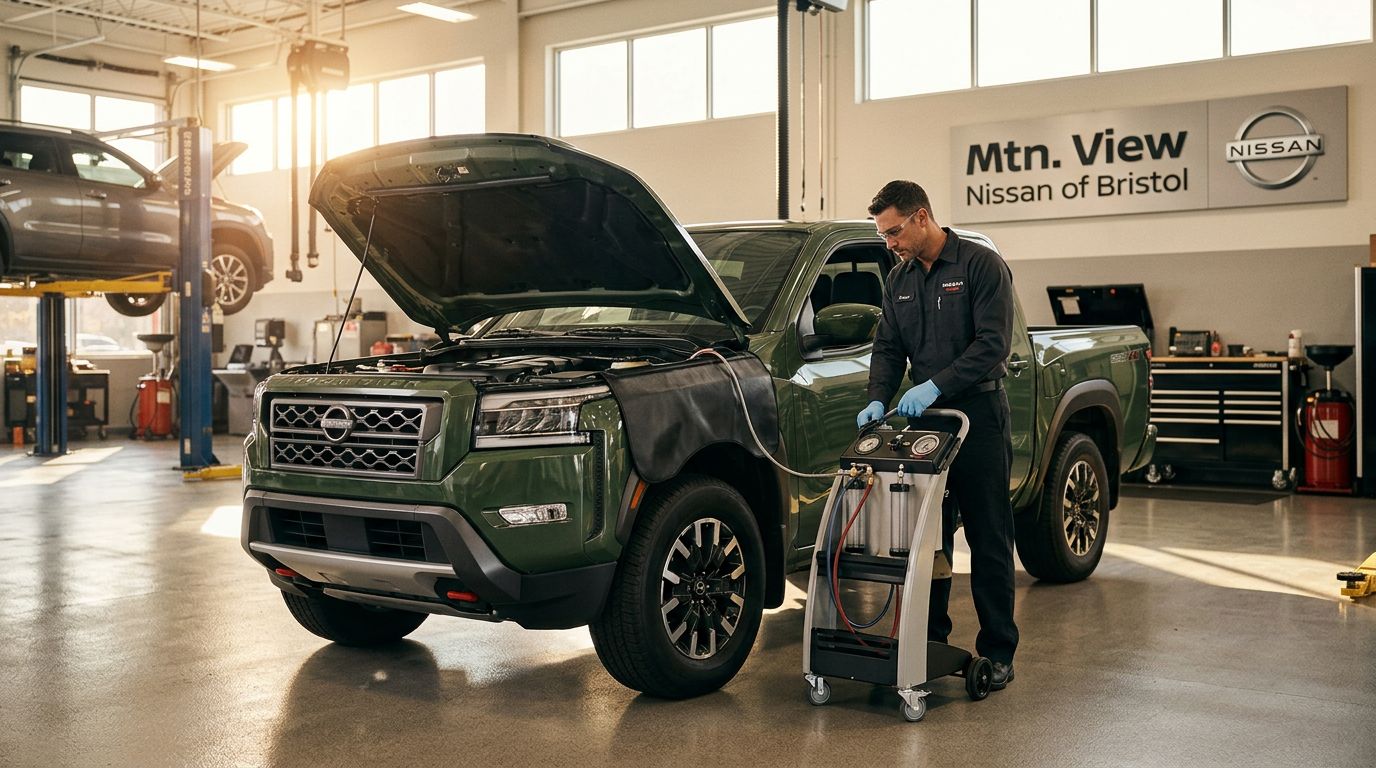
A Nissan requires a complete fluid service every 30,000 miles to 60,000 miles under standard operating conditions, while severe operating environments require fluid inspections every 7,500 miles and earlier replacements. Routine multi-point inspections monitor fluid condition, but complete exchanges for transmission fluid, brake fluid, engine coolant, and driveline lubricants become necessary when chemical additives degrade, moisture accumulates, or vehicle mileage milestones arrive. Operating conditions dictate whether a vehicle follows the standard schedule or the severe-use schedule outlined in the Nissan Owner's Manual and Maintenance Information. Severe conditions include frequent short trips under 5 miles, extensive idling, towing trailers, driving through standing water or deep mud, and traversing mountainous routes in high ambient temperatures. The rolling hills and valleys of the Appalachian Highlands surrounding Bristol place distinct thermal demands on drivetrains, which causes transmission and differential fluids to deteriorate faster than they would during flat highway cruising. Different vehicle systems require complete fluid replacement at staggered intervals based on mechanical workload: Engine Coolant: Long-life factory antifreeze protects aluminum engine blocks against internal corrosion and freezing, requiring its first complete flush at 105,000 miles or 84 months, followed by intervals every 75,000 miles or 60 months. Continuously Variable Transmission Fluid: Modern crossovers like the 2025 Nissan Rogue require CVT fluid inspections every 7,500 miles or 12 months, with a complete fluid replacement recommended at 60,000 miles under severe operating conditions. Brake Fluid: Because conventional brake fluid is hygroscopic and naturally pulls moisture from surrounding humid air, Nissan specifies brake fluid replacement every 24 months or 30,000 miles under standard use, and every 15,000 miles under severe service. Differential and Transfer Case Lubricants: All-wheel-drive and four-wheel-drive models require driveline gear oil inspections every 15,000 miles, with complete drains and refills required every 30,000 miles if the vehicle engages in towing or off-pavement driving. Postponing these services allows contaminated fluids to circulate through sensitive mechanical assemblies. Old fluid loses its thermal transfer capabilities and protective viscosity, leading to friction wear on internal bearings, gears, and hydraulic control valves. Drivers needing guidance on upcoming service intervals can navigate directly to our service center on West State Street or speak with a technician by calling (423) 989-6700. Table of Contents What Transmission Fluid Does a Modern Nissan CVT Require and Are Aftermarket Alternatives Safe? What Brake and Driveline Fluid Specifications Do Nissan Vehicles Require? Can Using Aftermarket Fluids Void a Nissan Powertrain Warranty?" How Much Does a Nissan CVT Drain and Refill or Complete Fluid Package Cost? Nissan Fluid Maintenance: Service Intervals, Fluid Types, and Costs Frequently Asked Questions About Nissan Fluid Care Schedule Certified Nissan Fluid Service in Bristol What Transmission Fluid Does a Modern Nissan CVT Require and Are Aftermarket Alternatives Safe? A modern Nissan Xtronic CVT requires Genuine Nissan CVT Fluid NS-3 for third-generation and newer platforms, while earlier generations specify Nissan NS-2. Multi-vehicle aftermarket fluids should not be used in a Nissan continuously variable transmission because universal formulations do not provide the exact friction coefficients and shear stability demanded by the internal steel drive belt and pulley system. The engineering inside a Nissan continuously variable transmission relies on metal-to-metal traction rather than the geared tooth engagement of a traditional planetary automatic. Two opposing conical pulleys squeeze a heavy-duty steel belt under high hydraulic pressure to alter drive ratios smoothly. The transmission fluid must provide lubrication for bearings while simultaneously generating controlled microscopic traction between the smooth steel belt elements and pulley sheaves. Genuine Nissan CVT Fluid NS-3 features a dedicated friction modifier profile and a precise high-shear viscosity index designed to prevent belt slippage without inducing premature pulley wear. Aftermarket manufacturers market universal CVT fluids claiming broad compatibility across multiple automakers. These universal fluids use compromise additive packages designed to function passably across diverse transmission designs. In a Nissan unit, unapproved fluids introduce severe operational hazards: Belt Slippage: Inadequate static and dynamic friction coefficients cause the drive belt to slip along the pulley faces during acceleration. Pulley Scoring: Slippage creates rapid microscopic scoring across polished pulley surfaces, leading to permanent grooving and internal metal contamination. Excessive Operating Heat: Deviations in fluid thermal conductivity accelerate heat buildup, degrading internal rubber seals and causing hydraulic pressure drop. Transmission Shudder: Unbalanced friction characteristics trigger distinct low-speed shuddering, erratic ratio shifts, and surging under moderate throttle. Catastrophic Failure: Continued operation with degraded or incorrect fluid causes internal belt breakage, requiring a full transmission assembly replacement. Genuine OEM fluids maintain strict chemical composition standards throughout their service life. For vehicle owners performing maintenance, authentic factory-formulated fluids can be sourced through our parts department to ensure exact factory compliance. What Brake and Driveline Fluid Specifications Do Nissan Vehicles Require? Nissan specifies Genuine Nissan Super Heavy Duty Brake Fluid DOT 3 or an equivalent DOT 4 fluid for hydraulic brake systems, alongside platform-specific hypoid gear oils for all-wheel-drive and four-wheel-drive drivelines. Meeting these factory fluid standards ensures anti-lock braking systems react within millisecond tolerances and differential gears remain protected under high torque loads. Hydraulic brake fluid operates under high temperatures generated at the brake calipers during deceleration. In humid Appalachian mountain regions, elevated ambient moisture poses a continuous threat to brake systems. Glycol-based brake fluid absorbs ambient humidity through microscopic pores in flexible rubber brake hoses and master cylinder reservoir breathers. When brake fluid moisture content exceeds 3 percent, its boiling point drops significantly, which can lead to vapor lock and sudden pedal fade during sustained downhill descents. Annual moisture testing and regular flushes prevent internal corrosion across anti-lock brake modulators and caliper pistons. Driveline fluid requirements depend on the vehicle architecture, drivetrain layout, and intended operating environment: Transfer Case Oil: Four-wheel-drive trucks and all-wheel-drive crossovers rely on transfer cases that specify Nissan Hypoid Super GL-5 in viscosity grades of 75W-85 or 80W-90. Rear Differential Fluid: Independent rear drive units on all-wheel-drive models and solid axles on trucks such as the Frontier demand heavy-duty extreme-pressure gear oils meeting API GL-5 specifications to resist gear tooth spalling under heavy towing loads. Manual Transmission Fluid: Performance models equipped with manual gearboxes mandate dedicated Nissan manual transmission fluid with specific synchronizer-friendly friction characteristics to prevent gear grind during quick shifts. Severe off-pavement driving through mud, sand, or water deep enough to submerge wheel hubs necessitates immediate driveline fluid inspection. Submerged axle breather vents can draw external water into axle housings, causing oil emulsification that strips away gear protection. Can Using Aftermarket Fluids Void a Nissan Powertrain Warranty?" Federal law prohibits an automaker from automatically voiding a vehicle warranty simply because an aftermarket fluid was installed, but coverage will be denied if an unapproved fluid directly causes mechanical damage. Under the Magnuson-Moss Warranty Act, the manufacturer bears the burden of demonstrating that an aftermarket part or non-compliant fluid caused the component failure before denying warranty repair claims. Warranty complications arise when vehicle owners choose multi-vehicle or universal fluids that do not meet the explicit performance criteria established by Nissan engineering. If a transmission or transfer case experiences internal mechanical failure during the powertrain warranty period, factory technical specialists often evaluate fluid samples. Chemical laboratory analysis can verify whether the lubricant in the failed unit contains the factory-specified viscosity, additive chemistry, and thermal markers. If the analysis reveals an unapproved aftermarket fluid caused belt slippage, clutch glazing, or bearing failure, the warranty claim for that assembly is rejected, leaving the owner responsible for the full repair cost. Protecting warranty eligibility requires adherence to several preventative best practices: Verify Explicit Approval: Ensure any fluid placed in the vehicle explicitly lists compliance with the exact Nissan specification code, such as NS-3 for modern CVTs, rather than broad multi-vehicle suitability claims. Retain Service Records: Maintain detailed, dated maintenance invoices recording the precise fluid brand, product specification, and volume used during each service visit. Adhere to Severe Schedules: Follow severe-service intervals if driving habits or regional terrain align with manufacturer severe-use definitions to prevent claims of mechanical neglect. Using factory-approved lubricants eliminates ambiguity during warranty evaluations and ensures mechanical components operate within designed parameters. How Much Does a Nissan CVT Drain and Refill or Complete Fluid Package Cost? A standalone Nissan CVT fluid drain and refill generally costs between $180 and $320, which includes specialized labor and roughly 4 to 5 quarts of Genuine Nissan CVT Fluid NS-3. A complete vehicle fluid service package that addresses the transmission, cooling system, hydraulic brakes, and driveline differentials typically ranges between $450 and $850. Cost variations reflect the mechanical complexity of modern closed fluid loops and the volume of fluid exchanged during the service. A standard CVT drain and refill refreshes approximately half of the total transmission fluid volume, as the remainder stays suspended inside the torque converter, internal fluid passages, and auxiliary coolers. Total transmission capacity measures roughly 8 to 9 quarts. Because modern Xtronic transmissions do not feature standard under-hood dipsticks, technicians must monitor transmission fluid temperature using specialized diagnostic interfaces to verify correct level adjustments through designated overflow inspection ports. Fluid service costs break down across major maintenance categories: Fluid Service Operation Typical Service Cost Estimated Labor Time Approximate Fluid Volume CVT Drain and Refill $180 to $320 1.0 hour 4 to 5 quarts Hydraulic Brake Fluid Flush $110 to $175 0.8 hours 1 to 2 quarts Engine Coolant Drain and Flush $130 to $210 1.0 hour 7 to 9 quarts AWD Differential and Transfer Case $160 to $260 1.0 hour 2 to 4 quarts Comprehensive Multi-Fluid Package $450 to $850 3.0 to 4.0 hours Complete vehicle refresh Investing in scheduled preventative fluid exchanges costs significantly less than rebuilding or replacing major mechanical assemblies. Routine fluid care preserves hydraulic efficiency, prevents thermal breakdown, and extends the operational longevity of internal transmission belts and gearsets. Nissan Fluid Maintenance: Service Intervals, Fluid Types, and Costs Nissan provides model-specific maintenance schedules tailored to vehicle architecture, drivetrain configuration, and driving severity rather than a generic one-size-fits-all fluid routine. Modern computerized engine and transmission control modules track operational severity and fluid deterioration data, signaling when mechanical components require fresh lubricants. On vehicles such as the Nissan Z, technicians use the factory CONSULT diagnostic system to inspect internal transmission fluid deterioration data, initiating fluid replacement once the software calculation exceeds 77,000 counts. Similarly, utility vehicles like the Nissan Frontier feature digital reminders that calculate engine oil life based on cold starts, engine run time, and load conditions. Drivers should verify the baseline mileage and operational triggers for their specific model to maintain peak mechanical reliability. Vehicle Component Factory Fluid Specification Standard Inspection Interval Severe Replacement Milestone Xtronic CVT Genuine Nissan CVT Fluid NS-3 Every 7,500 miles or 12 months 60,000 miles (Inspect every 15,000 miles) Automatic Transmission Nissan Matic Fluid (Platform Specific) Every 15,000 miles Upon CONSULT deterioration flag Hydraulic Brake System Genuine Nissan Super Heavy Duty Brake Fluid DOT 3 Every 7,500 miles (Inspect level) 15,000 miles or 12 months Engine Cooling System Nissan Long Life Antifreeze/Coolant Every 15,000 miles (Inspect level) Initial: 105,000 miles; Then: 75,000 miles AWD Transfer Case Nissan Hypoid Super GL-5 75W-85 Every 15,000 miles 30,000 miles or 24 months Rear Differential API GL-5 Gear Lubricant 80W-90 Every 15,000 miles 30,000 miles or 24 months Adhering to these documented factory intervals safeguards sensitive mechanical assemblies against premature friction and thermal degradation. To ensure factory procedures and diagnostic calibration are followed, vehicle owners can easily schedule a service appointment with our factory-trained maintenance team. Frequently Asked Questions About Nissan Fluid Care Q: Can aftermarket universal CVT fluid be safely used in a Nissan transmission? Universal aftermarket CVT fluids should not be installed in a Nissan transmission because they lack the proprietary friction modifiers and viscosity characteristics of Genuine Nissan CVT Fluid NS-3. Universal fluids are blended to provide broad functionality across varied manufacturer designs, which compromises the precise traction requirements of Nissan steel belts and pulleys. Installing non-specified fluids leads to belt slippage, elevated operating temperatures, pulley scoring, and eventual mechanical failure. Q: How often should brake fluid be tested for moisture in humid Appalachian climates? Brake fluid should undergo professional moisture testing at least once a year or every 15,000 miles in high-humidity mountain environments. Glycol-based brake fluid naturally draws moisture out of humid air through flexible rubber lines and reservoir vents. Once fluid moisture concentration surpasses 3 percent, the boiling threshold falls drastically, which can result in sudden brake pedal softness, reduced braking efficiency, and corrosion inside anti-lock braking system valves. Q: How many quarts of fluid are typically used in a Nissan CVT drain-and-refill? A standard drain-and-refill procedure on a front-wheel-drive Nissan CVT requires roughly 4 to 5 quarts of Genuine Nissan CVT Fluid NS-3. Total transmission capacity measures roughly 8 to 9 quarts, but nearly half remains trapped inside internal hydraulic circuits, coolers, and the torque converter during a gravity drain. Performing drain-and-refill services at regular intervals continually replenishes active additive packages and maintains thermal stability throughout the system. Q: What are the primary warning signs that a Nissan requires immediate fluid attention? Immediate fluid attention is required if an owner observes delayed transmission engagement, unexpected shuddering during low-speed acceleration, an unusually spongy brake pedal, engine temperature spikes, or burning odors beneath the hood. Low fluid levels marked below reservoir minimum lines or illuminated dashboard warning lights also signal potential fluid loss or thermal breakdown. Any persistent mechanical hesitation warrants an immediate professional inspection to prevent secondary component damage. Q: What diagnostic equipment does a certified technician use to check Nissan transmission fluid life? Certified technicians utilize the proprietary Nissan CONSULT diagnostic platform to evaluate transmission fluid condition electronically. The software communicates directly with the transmission control module to read accumulated fluid deterioration counters, which log operational hours, internal temperature spikes, and workload severity. When this recorded value surpasses predetermined engineering thresholds, the technician performs a complete fluid service and resets the internal software calibration. Schedule Certified Nissan Fluid Service in Bristol Regular fluid maintenance preserves vehicle performance, protects factory warranty coverage, and prevents costly mechanical breakdowns. Our factory-trained technicians utilize dedicated diagnostic tools, precise fluid exchange equipment, and authentic OEM fluids formulated specifically for your vehicle. Whether your car requires a basic fluid inspection, a standalone transmission service, or a comprehensive multi-system fluid flush, our staff delivers professional automotive care tailored to regional driving demands. Drivers can schedule service online or drop by our service center at 2536 W State St, Bristol, TN 37620. If you have questions about specific fluid intervals or wish to speak with our service advisors directly, please call (423) 989-6700 to plan your upcoming maintenance visit. © 2026 Mtn. View Nissan of Bristol. All rights reserved.